
Page Outline
- Direct Quick Answer
- Richest Country in West Africa 2026 – At a Glance
- Top 10 Richest Countries in West Africa 2026
- What Makes a Country Rich in West Africa?
- Richest Country in West Africa by GDP (Total Economy)
- Richest Country in West Africa by GDP Per Capita
- Why Nigeria Is the Richest Country in West Africa in 2026
- Natural Resources, Oil & Wealth Distribution in West Africa
- Comparison With Previous Years (2024–2025)
- Richest Country in West Africa vs World Ranking
- Frequently Asked Questions
- Final Takeaway
The richest country in West Africa in 2026 is Nigeria, when measured by total GDP — the most common indicator of overall economic size and power in the region. With an estimated GDP of approximately $450–$490 billion (nominal), Nigeria far outpaces all other West African nations thanks to its large population, oil exports, growing services sector, Nollywood entertainment industry, agriculture, and remittances. While smaller nations like Cabo Verde or Ghana may show higher GDP per capita in some metrics, Nigeria remains the wealthiest country in West Africa by total economic output and regional influence.
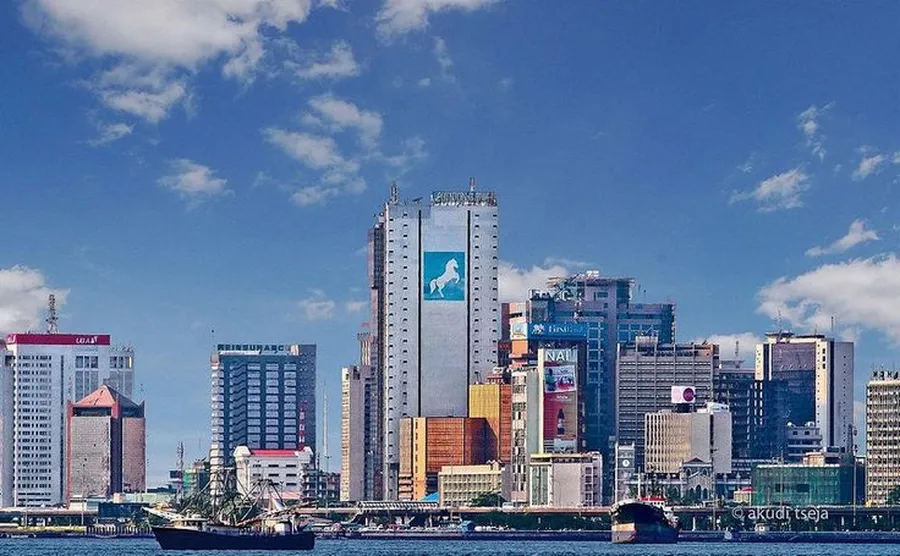
Richest Country in West Africa 2026 – At a Glance
- 🌍 Richest Country (by total GDP): Nigeria
- 💰 GDP (nominal 2026 est.): ≈ $450–490 billion
- 👤 GDP per Capita (nominal): ≈ $2,000–$2,300
- 🏦 Main Economic Sectors: Oil & gas, services, agriculture, Nollywood, remittances
- 📈 Average Annual Growth (2023–2026): ≈3.0–4.2%
- Population: ≈ 230–240 million (largest in Africa)
Top 10 Richest Countries in West Africa 2026 (by Total GDP)
| Rank | Country | GDP (USD billion) | Main Income Source |
|---|---|---|---|
| 1 | Nigeria | ≈450–490 | Oil, services, agriculture |
| 2 | Ghana | ≈85–95 | Gold, oil, cocoa, services |
| 3 | Côte d'Ivoire | ≈80–90 | Cocoa, oil, services, construction |
| 4 | Senegal | ≈32–36 | Fishing, agriculture, phosphates, tourism |
| 5 | Guinea | ≈25–28 | Bauxite, gold, agriculture |
| 6 | Mali | ≈22–25 | Gold, cotton, livestock |
| 7 | Burkina Faso | ≈20–23 | Gold, cotton, agriculture |
| 8 | Benin | ≈18–21 | Cotton, port services, agriculture |
| 9 | Niger | ≈16–19 | Uranium, agriculture, oil |
| 10 | Chad | ≈14–17 | Oil, agriculture, livestock |
Note: Figures are 2026 estimates (nominal USD) based on IMF, World Bank, and national projections. Rankings use total GDP as primary measure for economic size; per-capita varies widely.
What Makes a Country Rich in West Africa?
West Africa is a region of enormous economic potential mixed with structural challenges. When determining the richest country in West Africa, total GDP measures overall economic scale, output, and regional influence — favoring Nigeria with its massive population and oil wealth. However, GDP per capita (total GDP divided by population) reveals average individual income, living standards, and purchasing power — often highlighting smaller or better-managed economies. Most analysts and international organizations use both metrics, but total GDP is the most common headline indicator for the wealthiest country in West Africa by economic power.
Key drivers of wealth in West Africa include:
- Oil & gas exports: Nigeria, Ghana, and Côte d'Ivoire generate massive revenues from crude oil and LNG.
- Minerals & commodities: Gold (Ghana, Mali, Burkina Faso), cocoa (Côte d'Ivoire, Ghana), uranium (Niger), bauxite (Guinea) fuel export earnings.
- Agriculture & cash crops: Cocoa, cashews, cotton, and palm oil remain vital for many economies.
- Services & trade: Growing fintech, telecom, ports (Senegal, Ghana), and remittances support urban economies.
- Population size & urbanization: Large populations (Nigeria ≈230M) amplify total GDP but dilute per-capita wealth.
- Stability & governance: Lower corruption and better infrastructure attract investment (Ghana, Senegal outperform peers).
When assessing the richest country in West Africa in 2026, total GDP remains the dominant measure for economic size and influence, while per-capita figures show individual prosperity gaps.
Richest Country in West Africa by GDP (Total Economy Size) 2026
By total nominal GDP, Nigeria remains the richest country in West Africa in 2026 by a wide margin, followed distantly by Ghana and Côte d'Ivoire. Nigeria’s dominance comes from its large population, status as Africa’s largest oil producer, growing services sector (telecom, fintech, Nollywood), agriculture, and remittances from diaspora.
- Nigeria: ≈ $450–490 billion — oil/gas, services, agriculture, entertainment, remittances.
- Ghana: ≈ $85–95 billion — gold, oil, cocoa, services, construction.
- Côte d'Ivoire: ≈ $80–90 billion — cocoa, oil, cashews, construction, port activity.
Nigeria’s economy is roughly 5 times larger than Ghana’s and Côte d'Ivoire’s — making it the undisputed economic heavyweight in West Africa by total output.
Richest Country in West Africa by GDP Per Capita 2026
When wealth is measured per person, Cabo Verde often leads West Africa in GDP per capita in 2026 due to its small population, strong tourism, remittances, and stable governance. Ghana and Nigeria follow among larger economies, with Ghana benefiting from gold, oil, and cocoa revenues spread across fewer people than Nigeria. Per-capita rankings fluctuate with commodity prices and population growth, but smaller island nations and better-managed coastal states tend to rank higher.
Nigeria’s massive population dilutes its per-capita wealth despite leading total GDP — showing the classic large vs small economy trade-off in West Africa.
Why Nigeria Is the Richest Country in West Africa in 2026
Strong & Dominant Economy
Nigeria has West Africa’s largest and most diversified economy, producing over 1.5 million barrels of oil daily, massive agricultural output (yam, cassava, cocoa), growing telecom/fintech (Airtel, MTN, Flutterwave), Nollywood (second-largest film industry globally by output), and huge remittances (≈$20–25B annually).
High Economic Influence & Scale
With GDP ≈$450–490 billion, Nigeria accounts for over 60% of West Africa’s total economic output — giving it unmatched regional influence, market size, and investment attraction despite per-capita challenges.
Stable (Relative) Governance & Growth Drivers
Despite security and inflation issues, Nigeria maintains civilian rule, has Africa’s largest consumer market, and sees rapid urbanization and digital growth fueling services and tech sectors.
Key Growth Sectors
Oil remains central, but non-oil growth (services >50% of GDP) — fintech, e-commerce, entertainment, agriculture mechanization — positions Nigeria as West Africa’s economic engine.
Natural Resources, Oil & Wealth Distribution in West Africa
West Africa is exceptionally resource-rich: Nigeria, Ghana, and Côte d'Ivoire lead in oil; Ghana, Mali, Burkina Faso in gold; Guinea in bauxite; Niger in uranium; Senegal and Mauritania in emerging offshore gas. Cocoa (Côte d'Ivoire, Ghana) is a global leader. These commodities drive export revenues but often create volatility and inequality when prices fall or governance is weak (“resource curse”).
Nigeria’s oil wealth funds much of the federation but faces leakage and inequality (Gini ≈0.39). Ghana manages gold/oil better with stronger institutions. Cabo Verde and Senegal show more even distribution through tourism and services. Overall, governance, diversification, and reinvestment determine whether resources translate into broad-based prosperity in West Africa.
Comparison With Previous Years (2024–2025)
Nigeria has held the #1 spot for total GDP in West Africa for decades, with steady (if volatile) growth driven by oil prices and services expansion. Ghana and Côte d'Ivoire narrowed the gap slightly in 2024–2025 due to cocoa/gold/oil booms and infrastructure investments. Cabo Verde consistently led per-capita among stable smaller nations. By 2026, energy demand and digital growth continue reinforcing Nigeria’s dominance in total size.
Per-capita rankings remain more stable among smaller states, while large economies struggle to raise average incomes amid population growth.
Richest Country in West Africa vs World Ranking 2026
Even West Africa’s richest major economy — Nigeria at ≈$450–490 billion total GDP — ranks around 30th–35th globally, behind many mid-sized economies due to per-capita dilution (≈$2,000–$2,300). Cabo Verde or Ghana may reach upper-middle-income status in per-capita terms but remain far behind global leaders like the US, Singapore, or Germany. West Africa lags due to commodity dependence, governance challenges, and infrastructure gaps, but Nigeria’s scale and growth potential offer significant upside.
Frequently Asked Questions
Nigeria is the richest country in West Africa in 2026 by total GDP (≈$450–490 billion), driven by oil, services, agriculture, Nollywood, and a massive market size.
No — Ghana is wealthy by regional standards (≈$85–95 billion GDP), but Nigeria leads by a wide margin in total economic output and influence.
Cabo Verde often leads in GDP per capita among stable West African nations due to tourism and remittances. Nigeria leads in total wealth but ranks lower per person due to population size.
Countries like Guinea-Bissau, Sierra Leone, Liberia, and Niger consistently rank among West Africa’s poorest, with GDP per capita below $1,000–$1,500 due to conflict, poor infrastructure, and commodity dependence.
Primarily by total GDP for economic size and influence, and GDP per capita for average individual wealth. Other indicators include GNI per capita, PPP adjustments, and Human Development Index.
Final Takeaway
In 2026, Nigeria stands as the richest country in West Africa by total GDP and overall economic power. While smaller nations like Cabo Verde lead in per-capita terms, Nigeria’s massive oil wealth, growing services, agriculture, entertainment industry, and largest consumer market make it the region’s economic giant. West Africa’s future prosperity will depend on diversification beyond commodities, better governance, infrastructure investment, and inclusive growth to turn resource potential into broad-based wealth for millions.