
Page Outline
- Direct Quick Answer
- Richest Country in Oceania 2026 – At a Glance
- Top 10 Richest Countries in Oceania 2026
- What Makes a Country Rich in Oceania?
- Richest Country in Oceania by GDP (Total Economy)
- Richest Country in Oceania by GDP Per Capita
- Why Australia Is the Richest Country in Oceania in 2026
- Natural Resources, Mining & Wealth Distribution in Oceania
- Comparison With Previous Years (2024–2025)
- Richest Country in Oceania vs World Ranking
- Frequently Asked Questions
- Final Takeaway
The richest country in Oceania in 2026 is Australia, when measured by both total GDP and GDP per capita among independent sovereign nations in the region. With an estimated GDP per capita of approximately $68,000–$72,000 (nominal) or over $65,000 PPP-adjusted, Australia leads comfortably thanks to its advanced, diversified economy, massive mining exports (iron ore, coal, LNG), strong financial services, education exports, tourism, and high productivity. While small Pacific islands like Nauru or Palau occasionally show higher per-capita figures due to phosphate or aid inflows, Australia stands as the clear wealthiest major country in Oceania by most meaningful economic measures.
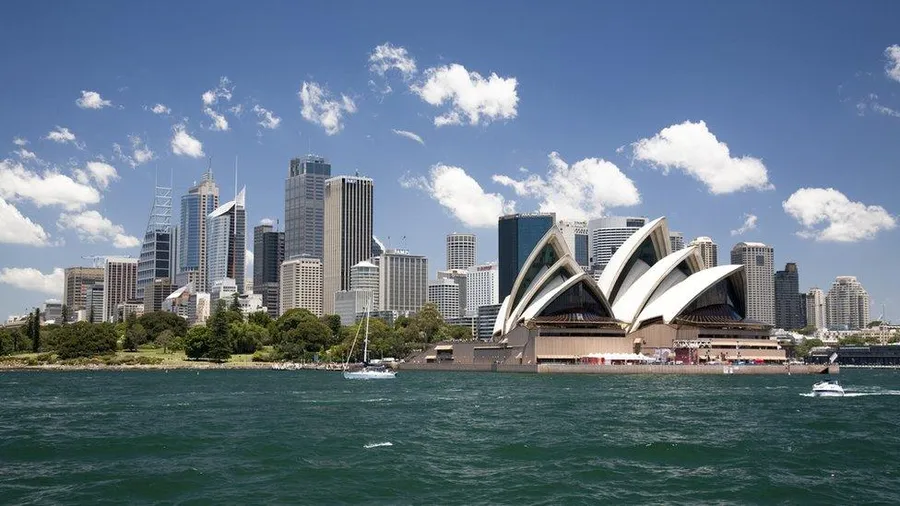
Richest Country in Oceania 2026 – At a Glance
- 🌍 Richest Country (by GDP per capita): Australia
- 💰 GDP (nominal 2026 est.): ≈ $1.95–2.1 trillion
- 👤 GDP per Capita (nominal): ≈ $68,000–$72,000
- 🏦 Main Economic Sectors: Mining (iron ore, coal, LNG), finance, education exports, tourism, healthcare
- 📈 Average Annual Growth (2023–2026): ≈2.5–3.8%
- Population: ≈27.5–28.5 million (skilled, high-productivity workforce)
Top 10 Richest Countries in Oceania 2026 (by GDP per Capita)
| Rank | Country | GDP per Capita (USD) | Main Income Source |
|---|---|---|---|
| 1 | Australia | ≈$68,000–72,000 | Mining, finance, education |
| 2 | New Zealand | ≈$52,000–56,000 | Agriculture, tourism, dairy |
| 3 | Palau | ≈$16,000–19,000 | Tourism, US aid, fisheries |
| 4 | Nauru | ≈$13,000–16,000 | Phosphate (residual), aid |
| 5 | Cook Islands | ≈$12,000–15,000 | Tourism, offshore finance |
| 6 | Marshall Islands | ≈$7,000–9,000 | US aid, fisheries, shipping |
| 7 | Fiji | ≈$6,500–7,500 | Tourism, sugar, remittances |
| 8 | Tonga | ≈$5,800–6,800 | Remittances, tourism, agriculture |
| 9 | Samoa | ≈$5,200–6,200 | Remittances, tourism, agriculture |
| 10 | Micronesia | ≈$4,500–5,500 | US aid, fisheries, tourism |
Note: Figures are 2026 estimates (nominal USD) based on IMF, World Bank, and national projections. Rankings focus on sovereign states; small islands often rely on aid/tourism. Australia dominates among major economies.
What Makes a Country Rich in Oceania?
Oceania is a diverse region spanning advanced continental economies to tiny Pacific islands, so defining the richest country in Oceania depends on the lens used. Total GDP highlights overall economic scale — favoring Australia and New Zealand with their larger populations and diversified industries. However, GDP per capita (total GDP divided by population) reveals average individual wealth, living standards, and purchasing power — the metric most analysts and global organizations prioritize when ranking the wealthiest countries in Oceania.
Several factors drive high prosperity in the region:
- Resource exports: Australia’s iron ore, coal, LNG, and gold exports generate enormous revenues; New Zealand leverages dairy, meat, and timber.
- Tourism & services: Pristine islands (Fiji, Cook Islands, Palau) and Australia/New Zealand’s natural beauty attract high-spending visitors.
- Foreign aid & remittances: Many Pacific islands depend heavily on aid (US Compacts with Marshall Islands, Micronesia, Palau) or diaspora remittances.
- Political stability & governance: Strong institutions, low corruption, and rule of law in Australia and New Zealand create investor confidence.
- Population size: Smaller populations (Australia ≈28 million, New Zealand ≈5.3 million) concentrate wealth compared to larger Asian neighbors.
When identifying the richest country in Oceania in 2026, GDP per capita is the primary benchmark for average prosperity, while total GDP reflects economic scale and regional influence.
Richest Country in Oceania by GDP (Total Economy Size) 2026
By total nominal GDP, Australia overwhelmingly dominates Oceania in 2026, followed distantly by New Zealand. No other country in the region comes close due to Australia’s large population, advanced industries, and massive resource exports.
- Australia: ≈ $1.95–2.1 trillion — mining (iron ore, coal, LNG), finance, education exports, tourism, healthcare, advanced manufacturing.
- New Zealand: ≈ $260–290 billion — agriculture (dairy, meat), tourism, horticulture, film/tech services.
- Papua New Guinea: ≈ $35–40 billion — minerals (gold, copper), LNG exports, but challenged by infrastructure and governance issues.
Australia’s economy is roughly 7–8 times larger than New Zealand’s and dozens of times larger than any Pacific island nation — making it the undisputed economic leader in Oceania by scale.
Richest Country in Oceania by GDP Per Capita 2026
Among sovereign nations with meaningful economies, Australia leads Oceania in GDP per capita in 2026, reflecting its high productivity, resource wealth, diversified industries, and strong services sector. New Zealand follows closely with a similar high-income profile but slightly lower due to less resource export intensity. Small Pacific islands like Palau, Nauru, and Cook Islands occasionally show higher spikes due to aid, phosphate residuals, or tourism, but these are less sustainable and often inflated by external transfers.
Australia’s consistent top ranking among major Oceania economies demonstrates how resource wealth combined with strong institutions and diversification creates enduring prosperity per person.
Why Australia Is the Richest Country in Oceania in 2026
Strong & Diversified Economy
Australia boasts one of the world’s most resilient and diversified high-income economies. Mining (iron ore, coal, LNG, gold) generates massive export revenues, while services (finance, education exports to Asia, healthcare, tourism) provide depth and stability.
High Income Levels & Living Standards
With GDP per capita ≈$70,000 nominal, Australians enjoy excellent healthcare (Medicare), world-class education, high wages, low unemployment, and strong social safety nets — reflected in top-tier Human Development Index rankings.
Stable Government & Investor Confidence
Australia consistently ranks among the world’s least corrupt nations, with strong rule of law, independent institutions, and pro-business policies that attract foreign investment and skilled migration.
Key Growth Sectors
Besides mining, Australia excels in agribusiness (wine, beef, wheat), education exports (hundreds of thousands of international students), tourism (Great Barrier Reef, Uluru), and emerging green energy/tech sectors.
Natural Resources, Mining & Wealth Distribution in Oceania
Oceania is exceptionally resource-rich, particularly Australia (world’s largest iron ore and coal exporter, major LNG supplier) and Papua New Guinea (gold, copper, LNG). New Zealand leverages fertile land for dairy/meat exports. Small islands often have limited resources (phosphate in Nauru, fisheries in many Pacific nations) but benefit from tourism and aid.
Australia’s sovereign wealth funds (Future Fund) and prudent management help distribute resource wealth long-term. Wealth distribution is relatively even in Australia and New Zealand (Gini ≈0.32–0.35) thanks to progressive taxation and welfare, while some Pacific nations face higher inequality due to aid dependency and limited economic scale.
Comparison With Previous Years (2024–2025)
Australia has consistently led Oceania in both total GDP and per-capita wealth among major economies for decades. New Zealand remains a stable #2. Commodity price booms (iron ore, LNG post-2022) boosted Australia’s figures in 2023–2025, while tourism recovery helped smaller islands. By 2026, green energy transitions and China demand stabilization continue supporting Australia’s resource-led growth.
The gap between Australia/New Zealand and smaller Pacific nations remains wide, with aid and climate challenges limiting island progress.
Richest Country in Oceania vs World Ranking 2026
Australia ranks in the global top 10–12 for GDP per capita (≈$70,000 nominal), competing with high-income nations like the US, Canada, Germany, and Nordic countries. New Zealand sits in the top 20–25 worldwide. Small Pacific islands (Palau, Nauru) occasionally spike higher due to aid but lack sustainability. Oceania’s major economies rank highly globally due to resources, institutions, and high productivity, though behind microstate outliers like Luxembourg or Monaco.
Frequently Asked Questions
Australia is the richest country in Oceania in 2026 by GDP per capita (≈$68,000–$72,000) among major sovereign nations, driven by mining, finance, education exports, and high productivity.
No — New Zealand is wealthy (≈$52,000–$56,000 per capita), but Australia leads due to larger resource exports, bigger economy, and higher average income.
Australia leads with ≈$68,000–$72,000 nominal GDP per capita in 2026 among major economies. Small islands like Palau or Nauru sometimes show higher spikes but rely on aid.
Papua New Guinea, Solomon Islands, Kiribati, and Vanuatu rank among Oceania’s poorest, with GDP per capita below $3,000–$5,000 due to infrastructure gaps, geography, and climate vulnerability.
Primarily by GDP per capita (total GDP ÷ population), which shows average economic output per person. Other indicators include GNI per capita, PPP adjustments, and Human Development Index.
Final Takeaway
In 2026, Australia stands as the richest country in Oceania when wealth is measured by average income and living standards (GDP per capita) among major sovereign nations. While New Zealand follows closely and small islands occasionally show aid-inflated spikes, Australia’s combination of vast resources, diversified industries, strong institutions, and high productivity delivers unmatched prosperity. Oceania’s economic future will depend on sustainable resource management, climate resilience, and inclusive growth to benefit all its diverse nations.