
Page Outline
- Direct Quick Answer
- Richest Country in Africa 2026 – At a Glance
- Top 10 Richest Countries in Africa 2026
- What Makes a Country Rich in Africa?
- Richest Country in Africa by GDP (Total Economy)
- Richest Country in Africa by GDP Per Capita
- Why Seychelles Is the Richest Country in Africa in 2026
- Natural Resources & Wealth Distribution in Africa
- Comparison With Previous Years (2024–2025)
- Richest Country in Africa vs World Ranking
- Frequently Asked Questions
- Final Takeaway
The richest country in Africa in 2026 is Seychelles when measured by GDP per capita, the most reliable indicator of average income and living standards. In 2026, Seychelles is estimated to record a GDP per capita of approximately $21,800–$22,500 (PPP), the highest in Africa. This strong performance is driven by a small population, high-value tourism, sustainable fisheries, offshore financial services, and long-term economic stability. Although countries like Nigeria and South Africa rank higher in total GDP due to their larger economies and populations, Seychelles remains Africa’s wealthiest nation on a per-person basis.
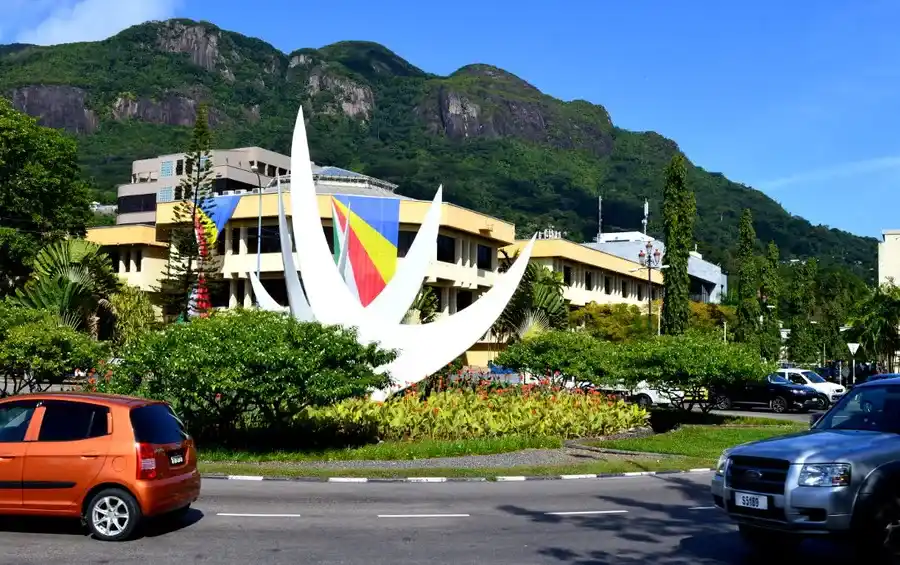
Richest Country in Africa 2026 – At a Glance
- 🌍 Richest Country (by GDP per capita): Seychelles
- 💰 GDP (nominal 2026 est.): ≈ $2.4–2.6 billion
- 👤 GDP per Capita (nominal): ≈ $21,800–$22,500
- 🏦 Main Economic Sectors: Tourism (≈35–40%), fisheries, financial services, real estate
- 📈 Average Annual Growth (2023–2026): ≈4.5–5.8%
- Population: ≈100,600 (small population = higher per capita wealth)
Top 10 Richest Countries in Africa 2026 (by GDP per Capita)
| Rank | Country | GDP per Capita (USD) | Main Income Source |
|---|---|---|---|
| 1 | Seychelles | ≈$21,800–22,500 | Tourism & fisheries |
| 2 | Mauritius | ≈$13,500–14,200 | Tourism, finance, sugar |
| 3 | Gabon | ≈$9,800–10,400 | Oil & manganese |
| 4 | Botswana | ≈$8,900–9,500 | Diamonds & tourism |
| 5 | Equatorial Guinea | ≈$7,200–8,000 | Oil & gas |
| 6 | South Africa | ≈$7,100–7,600 | Mining, finance, manufacturing |
| 7 | Namibia | ≈$5,800–6,300 | Mining (uranium, diamonds) |
| 8 | Algeria | ≈$5,200–5,700 | Oil & gas |
| 9 | Egypt | ≈$4,900–5,400 | Tourism, Suez Canal, gas |
| 10 | Libya | ≈$4,700–5,200 | Oil |
Note: Figures are 2026 estimates (nominal USD) based on IMF, World Bank trends & projections. Rankings prioritize GDP per capita as the best indicator of average wealth.
What Makes a Country Rich in Africa?
Determining the richest country in Africa is not as simple as looking at total economic size. While total GDP shows the overall strength of an economy, it is heavily influenced by population size — meaning large nations like Nigeria or Egypt can have big economies but lower average living standards. GDP per capita, which divides total GDP by population, gives a clearer picture of individual wealth and quality of life — the metric most economists and international organizations use when ranking the wealthiest countries in Africa.
Other critical factors include:
- Natural resources: Oil, diamonds, gold, gas, and minerals often create sudden wealth booms (Gabon, Botswana, Equatorial Guinea), but sustainability depends on good governance and diversification.
- Economic diversification: Countries relying on one commodity (oil in Libya or Equatorial Guinea) are vulnerable to price shocks, while diversified economies (Mauritius, Seychelles) show greater resilience.
- Political stability & governance: Stable institutions, low corruption, and investor-friendly policies attract foreign direct investment and tourism (Seychelles, Mauritius, Botswana excel here).
- Infrastructure & human capital: Good roads, ports, education, and healthcare raise productivity and living standards.
- Population size: Smaller populations spread wealth further — a key reason island nations often top per-capita lists.
Therefore, when we talk about the richest country in Africa in 2026, we primarily focus on GDP per capita while also considering quality of life, stability, and long-term economic health.
Richest Country in Africa by GDP (Total Economy Size) 2026
When measured by total nominal GDP, Nigeria remains the largest economy in Africa in 2026, followed closely by Egypt and South Africa. These three countries consistently dominate the top spots due to their large populations, diversified industries, and strategic positions.
- Nigeria: ≈ $450–490 billion — driven by oil exports, growing services, agriculture, and Nollywood/entertainment sector.
- Egypt: ≈ $430–470 billion — Suez Canal revenue, tourism, natural gas exports, manufacturing, and construction boom.
- South Africa: ≈ $410–440 billion — most industrialized economy in Africa with strong mining, finance, automotive, and technology sectors.
However, total GDP does not reflect individual wealth. Nigeria’s huge population (≈230 million) means its per-capita figure remains much lower than smaller, resource-rich or service-oriented nations.
Richest Country in Africa by GDP Per Capita 2026
GDP per capita tells the real story of average wealth and living standards. Small population + high-income sectors = very high per-capita figures. In 2026, island nations and resource-rich countries with effective management lead this category.
Seychelles comfortably holds the #1 spot thanks to high-value tourism (luxury resorts attract high-net-worth visitors), tuna fisheries exports, offshore banking, and consistent 4–6% annual growth with very low population pressure. Mauritius follows closely with a well-developed tourism, financial services, and textile/export economy. Gabon and Botswana benefit from oil/diamonds managed through strong sovereign wealth funds and prudent fiscal policies.
Why Seychelles Is the Richest Country in Africa in 2026
Strong & Stable Economy
Seychelles has built one of the most resilient small economies in Africa. Tourism contributes 35–40% of GDP, attracting high-spending visitors to exclusive island resorts. The tuna canning and export industry (Indian Ocean waters) generates steady foreign exchange.
High Income Levels & Quality of Life
With GDP per capita ≈$22,000, average Seychellois enjoy significantly higher purchasing power than most Africans. Universal healthcare, free education through secondary level, and low income inequality (Gini ≈0.32) support a high Human Development Index ranking.
Stable Government & Investor Confidence
Multi-party democracy since 1993, low corruption perception compared to continental peers, and consistent IMF/World Bank praise create a safe environment for foreign investment and tourism.
Key Growth Sectors
Besides tourism and fisheries, Seychelles has expanded offshore financial services, yachting, blue economy initiatives (sustainable fishing & marine conservation), and real estate development targeting high-net-worth individuals.
Natural Resources & Wealth Distribution in Africa
Africa is incredibly resource-rich, yet wealth distribution remains uneven. Oil (Nigeria, Angola, Libya, Algeria), diamonds (Botswana, Namibia), gold (South Africa, Ghana), uranium (Namibia), cobalt & copper (DRC), and rare earths drive many economies. However, the “resource curse” often leads to Dutch disease, corruption, and inequality when governance is weak.
Countries that succeed — Botswana (diamonds managed via transparent Debswana partnership), Seychelles (sustainable fisheries & tourism), Mauritius (diversified post-sugar economy) — show that good institutions, reinvestment of resource revenues, and economic diversification turn natural wealth into broad-based prosperity.
Comparison With Previous Years (2024–2025)
Seychelles and Mauritius have consistently held the top two spots for GDP per capita since at least 2018. Gabon and Botswana remain stable in the top five. Oil-dependent Equatorial Guinea has fallen from its 2010s peak due to declining production and population growth. South Africa, Egypt, and Nigeria maintain large total GDPs but lower per-capita rankings due to population pressures and structural challenges.
2026 shows continued recovery from global shocks (COVID, Ukraine war commodity spikes), with tourism-heavy islands rebounding fastest and resource exporters benefiting from elevated energy/mineral prices.
Richest Country in Africa vs World Ranking 2026
Even the richest African country — Seychelles at ≈$22,000 GDP per capita — ranks roughly 45th–50th globally, behind most European nations, Gulf states, the US, Singapore, Australia, and East Asian tigers. Mauritius (≈$14,000) falls around 60th–65th worldwide. This gap reflects Africa’s overall lower industrialization, infrastructure deficits, and historical challenges, despite abundant resources and young populations with huge potential.
Frequently Asked Questions
Seychelles is the richest country in Africa in 2026 when measured by GDP per capita (≈$21,800–$22,500), thanks to tourism, fisheries, financial services, and a small population.
No — Nigeria has the largest total GDP in Africa (≈$450–490 billion), but its GDP per capita is much lower due to its huge population. Seychelles, Mauritius, and Gabon rank higher in average wealth.
Seychelles leads with an estimated $21,800–$22,500 in 2026, followed by Mauritius and Gabon. These figures reflect average income and living standards more accurately than total GDP.
Burundi, South Sudan, Central African Republic, and Somalia consistently rank among the poorest in Africa (and the world) with GDP per capita below $1,000, due to conflict, weak institutions, and limited infrastructure.
Wealth is most commonly measured by GDP per capita (total GDP ÷ population), which shows average economic output per person. Other indicators include GNI per capita, Human Development Index, and inequality metrics like the Gini coefficient.
Final Takeaway
In 2026, Seychelles stands as the richest country in Africa when wealth is measured by average income and living standards (GDP per capita). While Nigeria, Egypt, and South Africa lead in total economic size, smaller, well-managed nations with strong tourism, services, and resource governance consistently deliver higher prosperity per person. Africa’s economic future will depend on diversification, good governance, and inclusive growth to turn vast natural wealth into broad-based prosperity for all citizens.